



There is a particular kind of silence that settles over a highway at 3 a.m., broken only by the hum of a diesel engine and the glow of a dashboard. For the men and women behind the wheel, this is simply Tuesday. Long haul trucking is often romanticized as the last great American adventure — open roads, endless horizons, and the freedom of the open highway. Movies and songs have built an entire mythology around the lone driver chasing the horizon, but few outsiders ever see what actually fills the hours between one state line and the next. Behind that image lies a demanding, disciplined, and often invisible way of life that keeps the entire country running, one load at a time.
The Hidden Machine Behind Every Delivery
Beneath the romance of the road is an operation far more complex than most people realize. Every load a driver picks up has already passed through a chain of coordination involving brokers, dispatchers, and carriers, all working to make sure a truck is never sitting empty and a delivery is never late. Increasingly, that coordination runs through carrier management software, the digital backbone that helps carriers track loads, manage routes, handle paperwork, and keep drivers connected to dispatch in real time. What looks like a solitary journey down an empty highway is, in reality, one small piece of a tightly synchronized logistics network.
A Day Measured in Miles
For most drivers, life on the road follows a rhythm that outsiders rarely see. Days are measured not in hours but in miles and federally mandated rest breaks, a careful balance between meeting delivery windows and staying within legal driving limits. A typical day might begin before sunrise with a pre-trip inspection, checking tires, brakes, and lights before ever touching the ignition. From there, it’s hours behind the wheel, broken up by fuel stops, weigh stations, and brief windows to eat or stretch. The destination changes daily, but the routine of discipline rarely does.
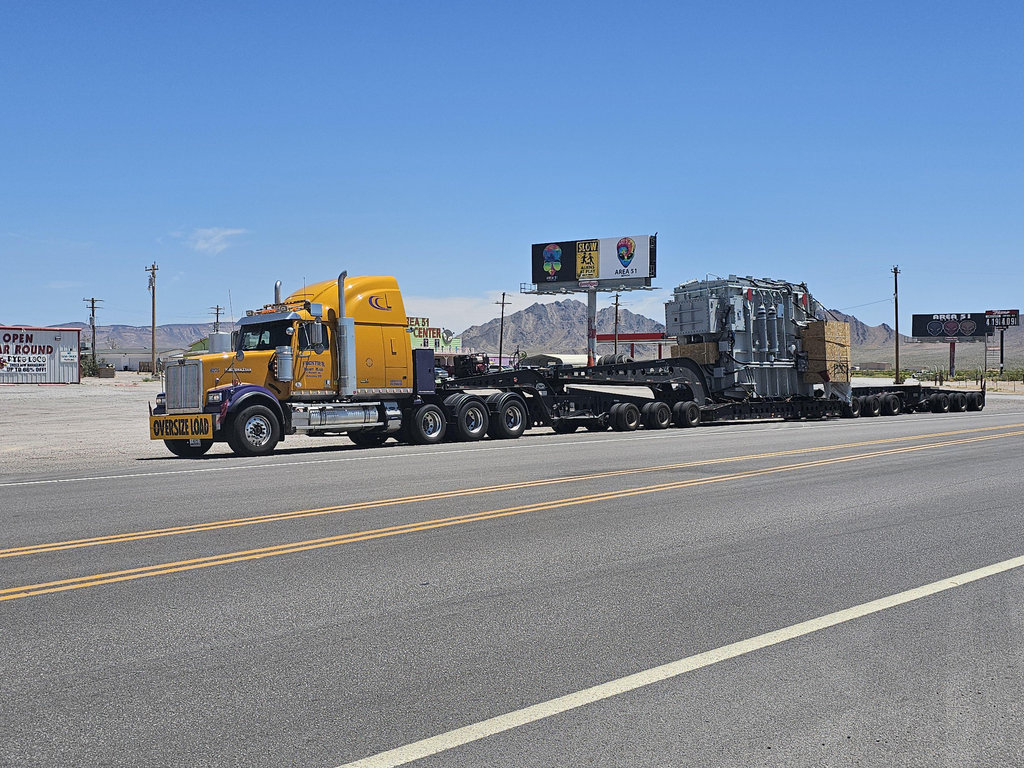
Alone on the Highway, Together at the Truck Stop
Isolation is one of the most honest truths of the job, and also one of the least discussed. Drivers can spend weeks away from home, sleeping in a cab rather than a bed, with conversation limited to radio chatter, phone calls, and the occasional exchange at a truck stop counter. For many, the silence of the cab becomes its own kind of companion, filled with podcasts, audiobooks, or simply the sound of tires on asphalt. Yet within that isolation, a genuine community has formed. Truck stops function as small waypoints of familiarity, where drivers swap stories, share road conditions, and look out for one another in ways that rarely make headlines. It is a culture built on mutual respect between strangers who understand exactly what the job demands, a kind of unspoken brotherhood that stretches from coast to coast.
The Distance Between Home and the Highway
The toll on family life is significant, and most drivers will say it is the hardest part of the job. Birthdays, school events, and everyday dinners are often missed, replaced by video calls from a truck stop parking lot. Partners and children learn to adjust to a household where one parent is present in spirit more often than in person. Many drivers describe a constant emotional balancing act — pride in providing for their family, paired with the quiet guilt of missing the small moments that make up a life. Some families develop their own rituals to bridge the distance, marking a map with pins for every city a parent passes through, or saving up stories to share the moment the truck finally pulls back into the driveway. It is a sacrifice that rarely gets acknowledged outside trucking communities themselves.
Staying Strong Behind the Wheel
Physical health is another quiet battle waged mile after mile. Long stretches of sitting, irregular sleep schedules, and limited access to fresh food make wellness a genuine challenge on the road. Many drivers have adapted by bringing portable cooking equipment, prioritizing walks during fuel stops, or using fitness apps designed around irregular schedules. The industry itself has slowly responded, with better truck stop amenities, healthier food options, and technology that helps drivers manage rest and reduce fatigue-related risk. Some carriers now build wellness check-ins directly into their scheduling, recognizing that a rested, healthy driver is a safer one. It is a slow shift, but a meaningful one for an industry that runs on human endurance as much as horsepower.
A Different Kind of Adventure
What emerges from all of this is a picture far richer than the stereotype of a lonely trucker on an empty highway. It is a life shaped by discipline, quiet camaraderie, personal sacrifice, and an unglamorous kind of resilience that keeps store shelves stocked and supply chains moving. It is also a life in quiet transformation, as new tools, better routes, and smarter support systems slowly ease some of the oldest burdens of the job. The next time a truck passes on the interstate, it is worth remembering that behind the wheel is not just a driver chasing miles, but someone living one of the most demanding and, in its own way, adventurous lifestyles in America.