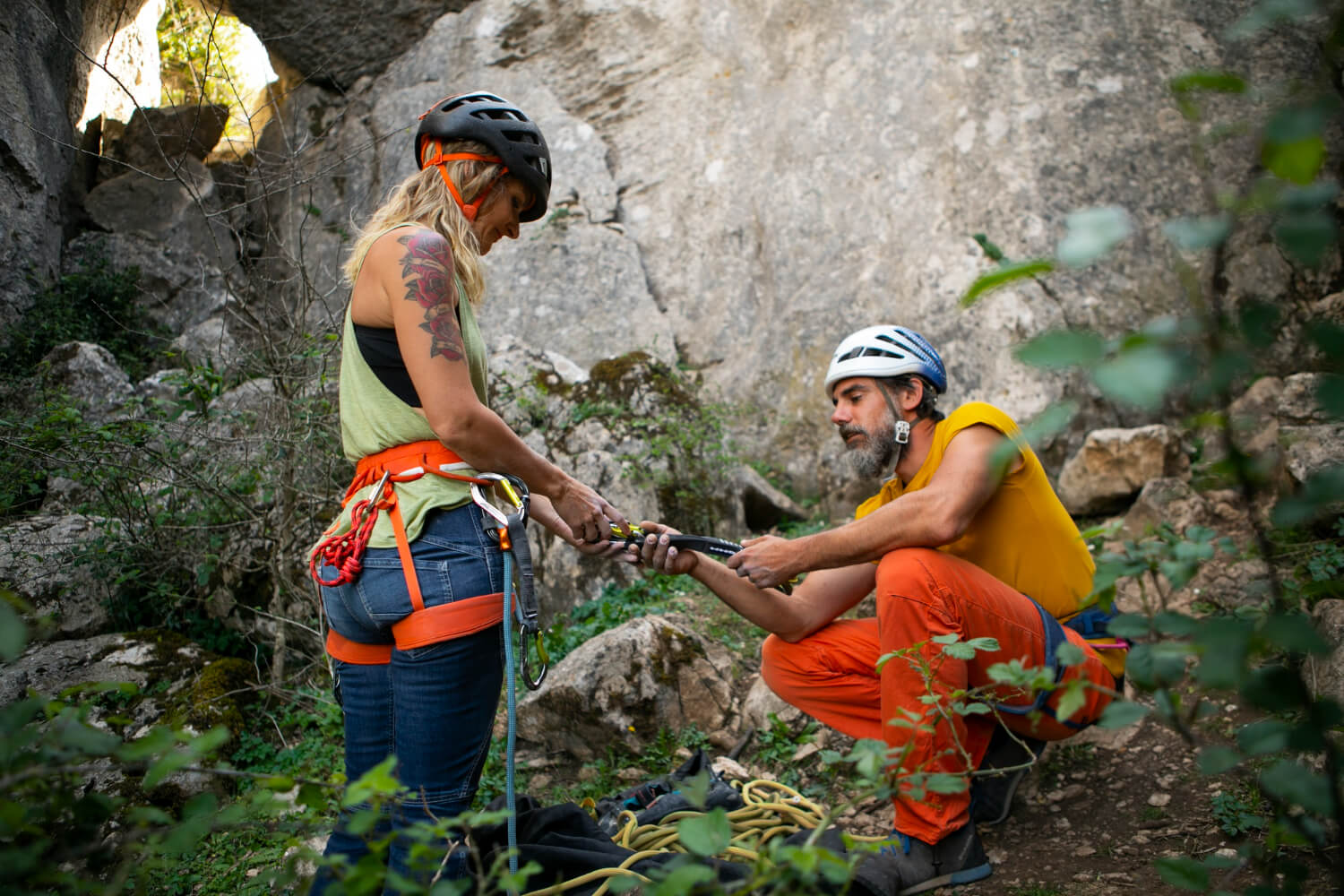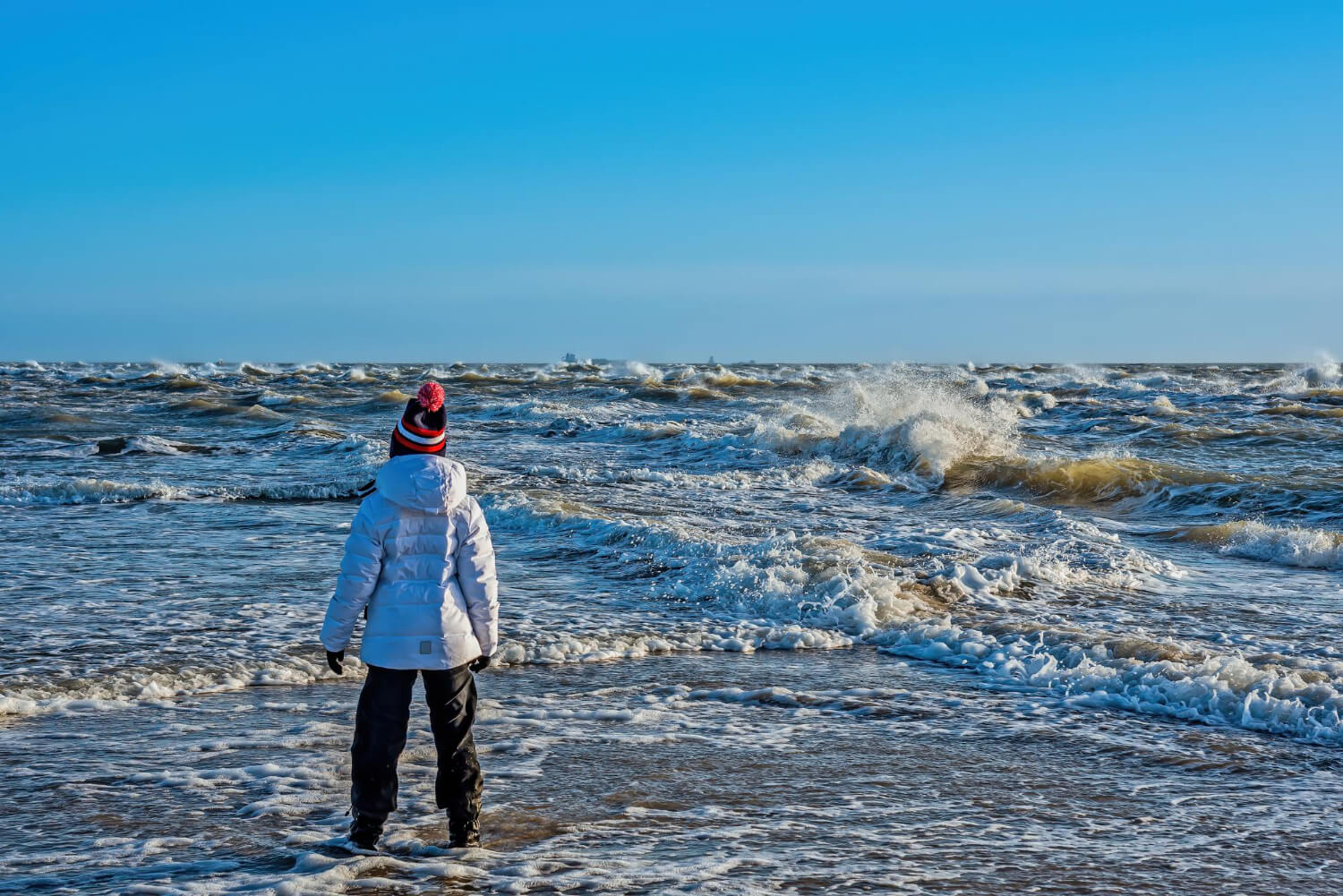


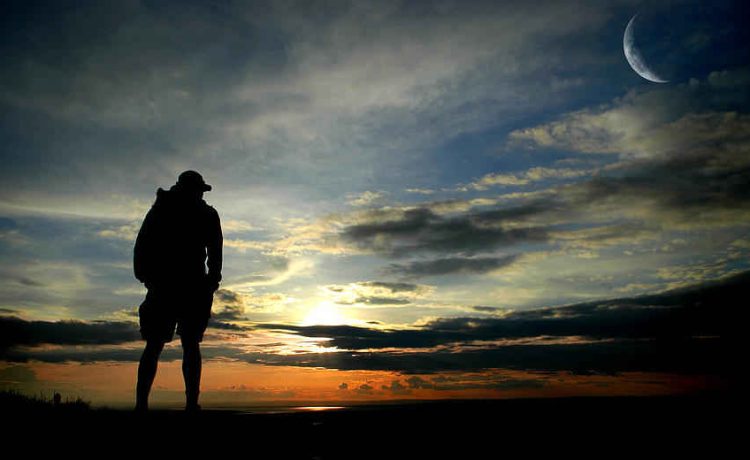
There is something deeply human about the desire to explore. Long before maps were complete and borders defined, people were driven by curiosity—an urge to see what lies beyond the horizon. This impulse, often described as the spirit of adventure, continues to shape how we experience the world today.
It is not limited to climbing mountains or traveling to distant lands; it lives in every moment we choose the unfamiliar over the comfortable, the unknown over the predictable.
At its core, the spirit of adventure is about curiosity. It begins with a simple question: What if? What if there is more to see, more to learn, more to become? This mindset pushes us to step outside our routines and challenge the boundaries we unconsciously build around ourselves.
Adventure does not always require grand gestures. Sometimes, it starts with small decisions—taking a different route home, trying something new, or saying yes to an opportunity that feels uncertain.

One of the most powerful aspects of adventure is its ability to transform us. When we step into the unknown, we are forced to rely on ourselves in new ways. We learn how to adapt, how to solve problems, and how to stay resilient when things don’t go as planned.
These experiences build confidence, not because everything goes perfectly, but because we discover that we can handle more than we thought. The unknown becomes less intimidating and more inviting.
Travel is often seen as the ultimate form of adventure, and for good reason. Exploring new places exposes us to different cultures, perspectives, and ways of life. It challenges our assumptions and broadens our understanding of the world.
But adventure is not defined by distance. You do not have to cross oceans to experience it. The unfamiliar can exist anywhere—in a new conversation, a different idea, or a path you have never taken before. The true essence of adventure lies in the willingness to engage with it.
Fear is an inevitable part of discovering the unknown. It is what makes adventure feel both exciting and uncomfortable at the same time. The fear of failure, of getting lost, or of stepping into something uncertain can hold us back. Yet, it is precisely this fear that gives adventure its meaning.
Without risk, there is no growth. Learning to move forward despite fear is what separates routine from discovery. It is not about eliminating fear, but about not letting it decide our limits.
In modern life, it is easy to fall into patterns of predictability. Schedules, responsibilities, and digital routines can create a sense of stability, but they can also limit spontaneity. The spirit of adventure invites us to break out of these patterns, even in small ways. It encourages us to stay open—to new experiences, new people, and new perspectives. This openness keeps life dynamic and prevents it from becoming stagnant.
Another important element of adventure is presence. When we step into the unknown, we become more aware of our surroundings. We pay attention to details, notice changes, and engage more fully with the moment. Adventure pulls us out of autopilot and into a state of active living. It reminds us that life is not just something to be managed, but something to be experienced.
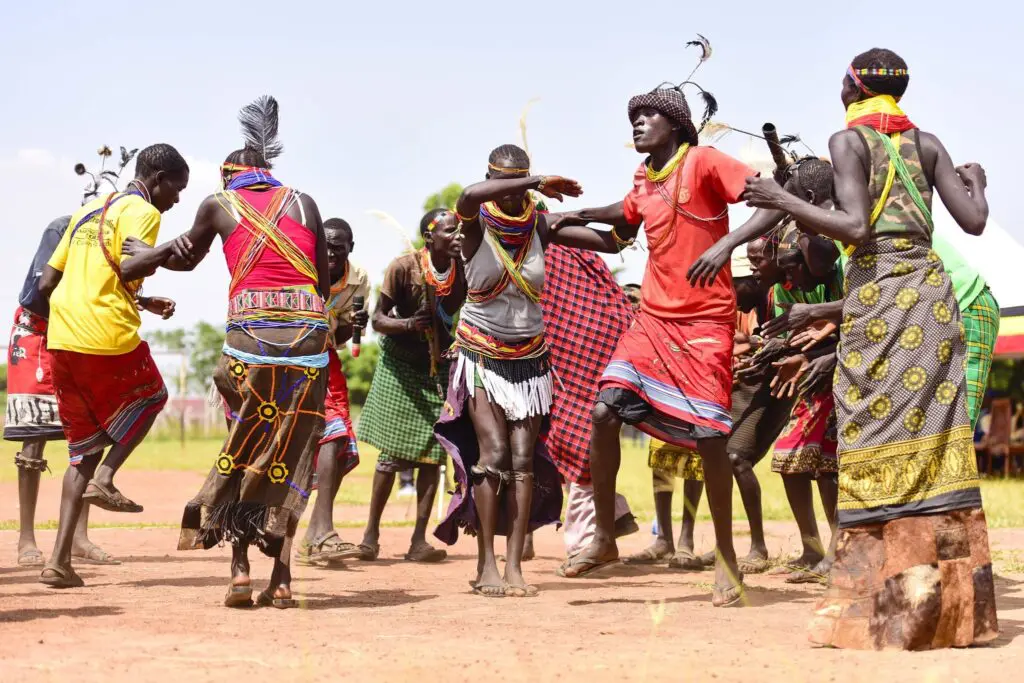
Adventure also has a way of connecting us—with places, with people, and with ourselves. Shared experiences, especially those that involve uncertainty or challenge, often create strong bonds. Whether it’s navigating a new city, overcoming an obstacle, or simply exploring together, these moments foster a sense of connection that goes beyond the surface.
At the same time, solo adventures can deepen our relationship with ourselves, offering space for reflection and self-discovery.
Interestingly, the unknown is not always external. Some of the most meaningful adventures happen within. Exploring our thoughts, confronting our fears, and questioning our beliefs require courage. This internal journey can be just as challenging—and just as rewarding—as any physical expedition. It is a reminder that adventure is not only about where we go, but also about who we become along the way.
The spirit of adventure is not reserved for a certain type of person. It does not require extreme risk-taking or constant movement. It is a mindset, a way of approaching life with curiosity, courage, and openness. Anyone can cultivate it, regardless of their circumstances.
It simply requires a willingness to step beyond what is familiar and embrace the possibility of something new.
As the world becomes more connected and information more accessible, the idea of the “unknown” may seem to be shrinking. Yet, in reality, it still exists everywhere. There are always new experiences to be had, new ideas to explore, and new parts of ourselves to discover. The unknown is not disappearing—it is evolving.
Ultimately, the spirit of adventure is about more than exploration. It is about living fully. It is about choosing growth over comfort, curiosity over certainty, and experience over routine. It reminds us that life is not meant to be entirely predictable. Some of its most valuable moments come from stepping into what we do not yet understand.
In the end, discovering the unknown is not about finding all the answers. It is about being willing to ask the questions, to take the first step, and to see where it leads. Because sometimes, the greatest adventures are not the ones we plan, but the ones we never saw coming.